
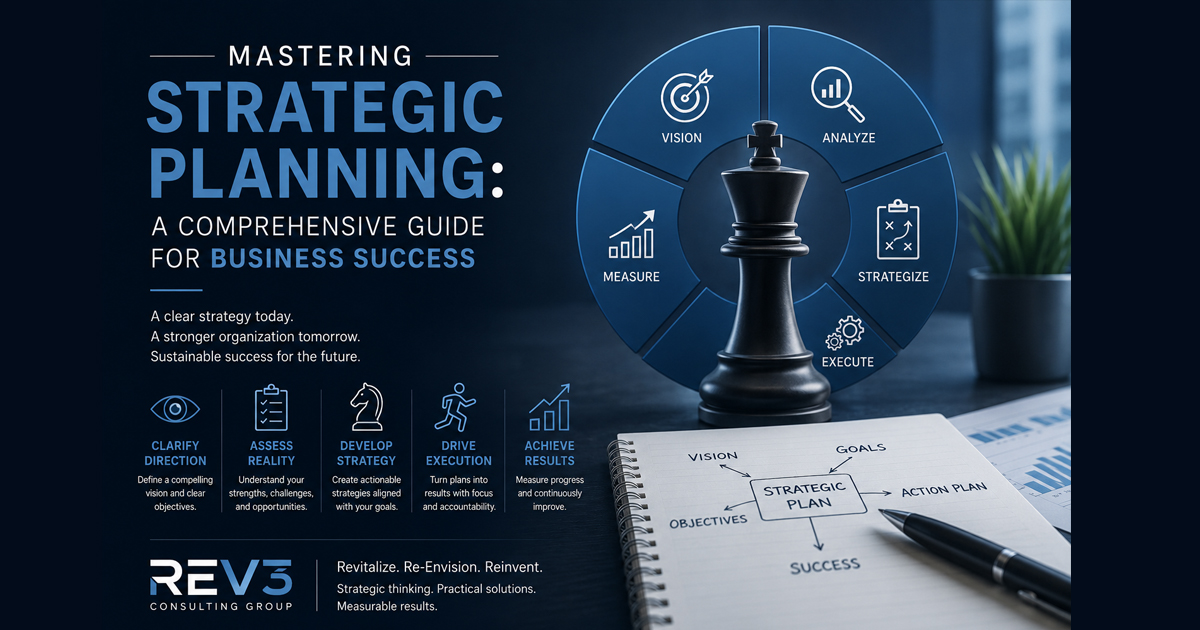


Mastering Strategic Planning: A Comprehensive Guide for Business Success
What is Strategic Planning?
Strategic planning is a systematic process that organizations use to define their direction and make decisions on allocating resources to pursue this strategy. It involves setting goals, determining actions to achieve those goals, and mobilizing resources to execute the actions effectively.
Why is Strategic Planning Important?
Without a clear strategy, businesses can lose focus and waste valuable resources. Strategic planning helps organizations anticipate future challenges, allocate resources efficiently, and align teams towards common objectives, ensuring long-term success.
Key Components of Strategic Planning
- Mission and Vision: Clarify your organization’s purpose and aspirations.
- Environmental Analysis: Assess internal strengths and weaknesses, along with external opportunities and threats (SWOT analysis).
- Goal Setting: Establish specific, measurable, achievable, relevant, and time-bound (SMART) objectives.
- Strategy Formulation: Develop plans and tactics to achieve your goals.
- Implementation: Allocate resources and execute the strategic plan.
- Evaluation and Control: Monitor progress and make adjustments as necessary.
Steps to Effective Strategic Planning
Follow these steps to create a successful strategic plan:
- 1. Define Your Vision and Mission: Establish a clear and inspiring vision and mission statement to guide your organization.
- 2. Conduct a SWOT Analysis: Identify your strengths, weaknesses, opportunities, and threats to understand your current position.
- 3. Set SMART Goals: Develop actionable and measurable objectives aligned with your mission.
- 4. Develop Strategies: Determine the best approaches to reach your goals.
- 5. Allocate Resources: Ensure the right people, finances, and technologies are in place.
- 6. Implement the Plan: Execute the strategies and communicate the plan across the organization.
- 7. Monitor and Review: Regularly assess progress and update the plan to stay on track.
Common Challenges in Strategic Planning
Many organizations face obstacles such as lack of leadership commitment, poor communication, and resistance to change during strategic planning. Addressing these challenges early can improve the effectiveness of your plan.
Conclusion
Strategic planning is essential for navigating business complexities and achieving sustained growth. By following a structured approach and involving key stakeholders, you can create a dynamic plan that drives your organization toward its vision.
Frequently Asked Questions
What is the first step in strategic planning?
The first step in strategic planning is defining your organization’s vision and mission to establish a clear direction and purpose.
How often should a strategic plan be reviewed?
A strategic plan should be reviewed regularly, typically annually or semi-annually, to ensure it remains aligned with changing business environments and goals.
What are common challenges faced during strategic planning?
Common challenges include lack of leadership commitment, poor communication, resistance to change, and insufficient resource allocation.