
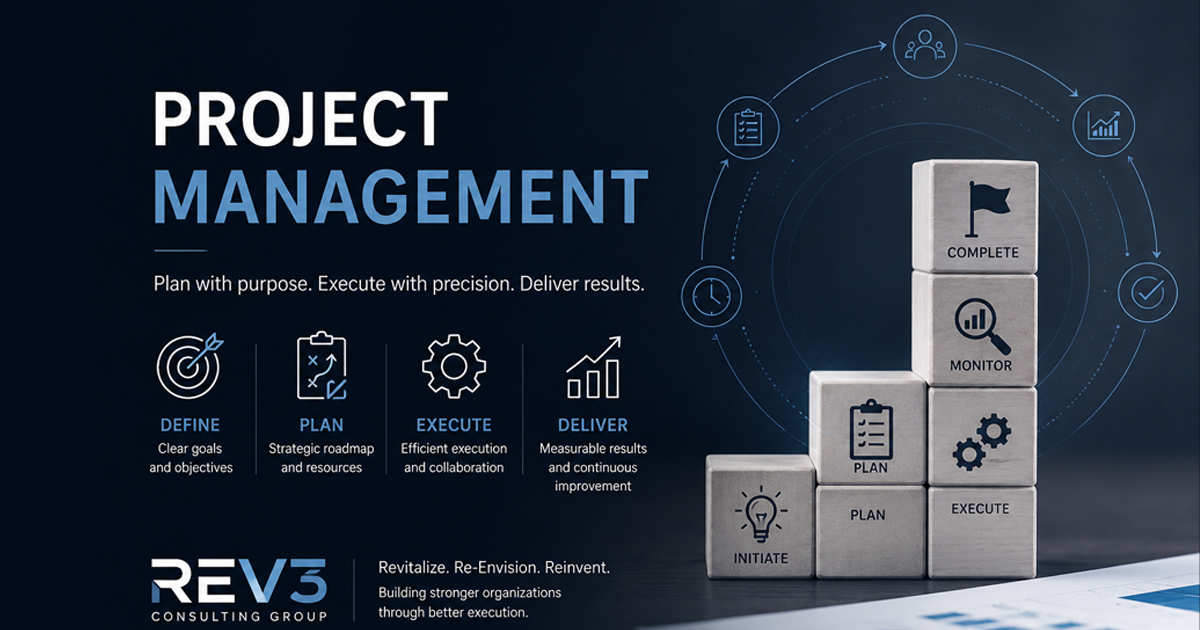


What is Project Management?
Project Management is the discipline of planning, organizing, and managing resources to achieve specific goals and meet specific success criteria within a defined timeline. It involves coordinating tasks, people, and processes to deliver a project efficiently and effectively.
Why is Project Management Important?
Effective project management ensures that projects are completed on time, within budget, and to the required quality standards. It helps organizations minimize risks, optimize resource use, and improve communication among stakeholders.
Key Components of Successful Project Management
- Planning: Defining project scope, objectives, and deliverables to set a clear roadmap.
- Scheduling: Creating timelines and setting milestones to track progress.
- Resource Management: Allocating the right people, tools, and budget to tasks.
- Risk Management: Identifying potential obstacles and developing mitigation strategies.
- Communication: Ensuring clear and consistent information flow among all stakeholders.
- Monitoring and Control: Tracking project performance and making adjustments as needed to stay on course.
Popular Project Management Methodologies
Several methodologies are widely used to manage projects depending on the industry and project type. These include:
- Waterfall: A linear and sequential approach ideal for projects with well-defined requirements.
- Agile: An iterative and flexible methodology suited for projects that require adaptability and frequent deliverables.
- Scrum: A subset of Agile focusing on short sprints and continuous feedback.
- Kanban: A visual workflow management method to optimize task completion.
Tips for Effective Project Management
- Set Clear Objectives: Define what success looks like from the start.
- Engage Stakeholders: Maintain open communication to manage expectations and gather input.
- Use the Right Tools: Implement project management software to streamline processes.
- Regularly Review Progress: Conduct status meetings and adjust plans as necessary.
- Encourage Team Collaboration: Foster a positive environment that supports teamwork and problem-solving.
Conclusion
Mastering project management is essential for delivering successful projects that meet goals and satisfy stakeholders. By understanding its core principles and applying proven methodologies, businesses can enhance efficiency, reduce risks, and achieve better outcomes. Partnering with experts like Rev3 Consulting Group can provide the guidance and tools necessary to elevate your project management capabilities.
Frequently Asked Questions
What are the main phases of project management?
The main phases of project management include initiation, planning, execution, monitoring and controlling, and closure. Each phase plays a crucial role in ensuring the project meets its objectives.
Which project management methodology is best for my project?
The best methodology depends on your project’s requirements. Waterfall is suitable for projects with clear, fixed requirements, while Agile is ideal for projects needing flexibility and iterative progress. Evaluating your project’s scope and stakeholder needs will help determine the best fit.
How can I improve communication in project management?
Improving communication involves establishing clear channels, regular updates, stakeholder engagement, and using collaboration tools. Encouraging open dialogue and feedback fosters transparency and helps address issues promptly.